Best Ski Courses in India: Slopes, Costs & Booking Advice
Basic Skiing Programme
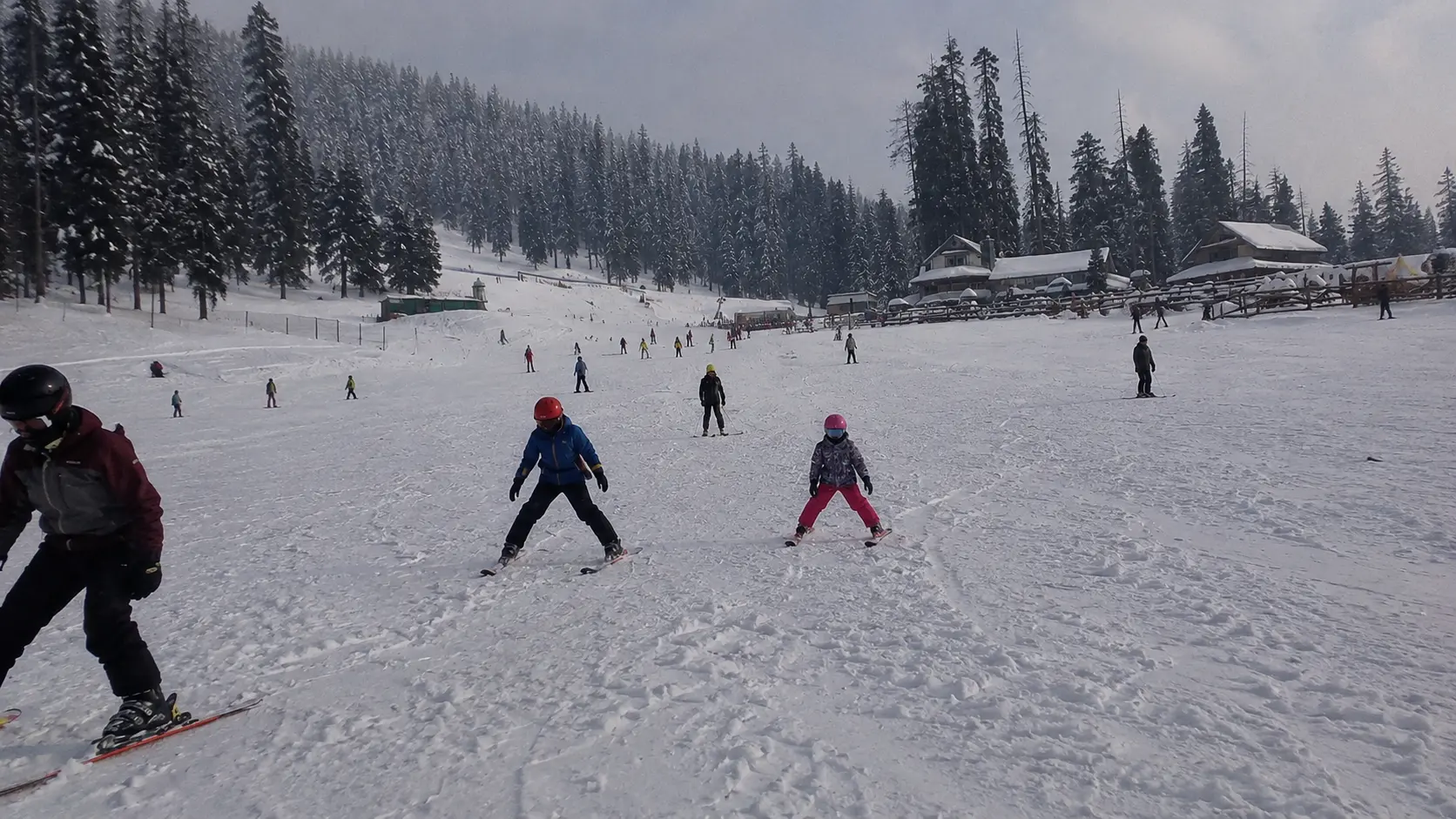
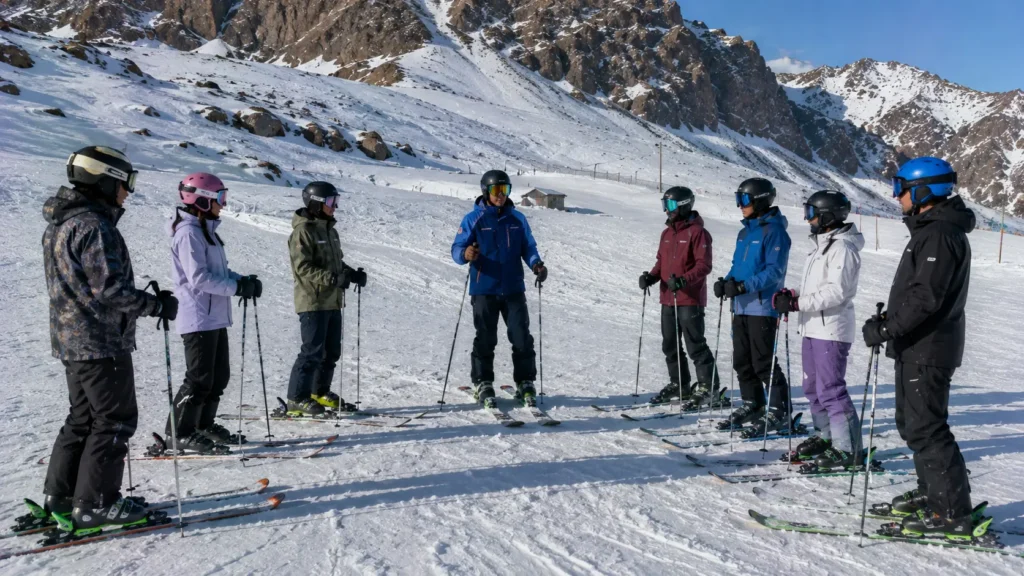
Perfect for first-timers looking to learn safe sliding habits. You will master balance control, standard snowplough turns, and lift loading steps.
- Basic slide posture and balance
- Effective snowplough braking
- Controlled wide-angle turns
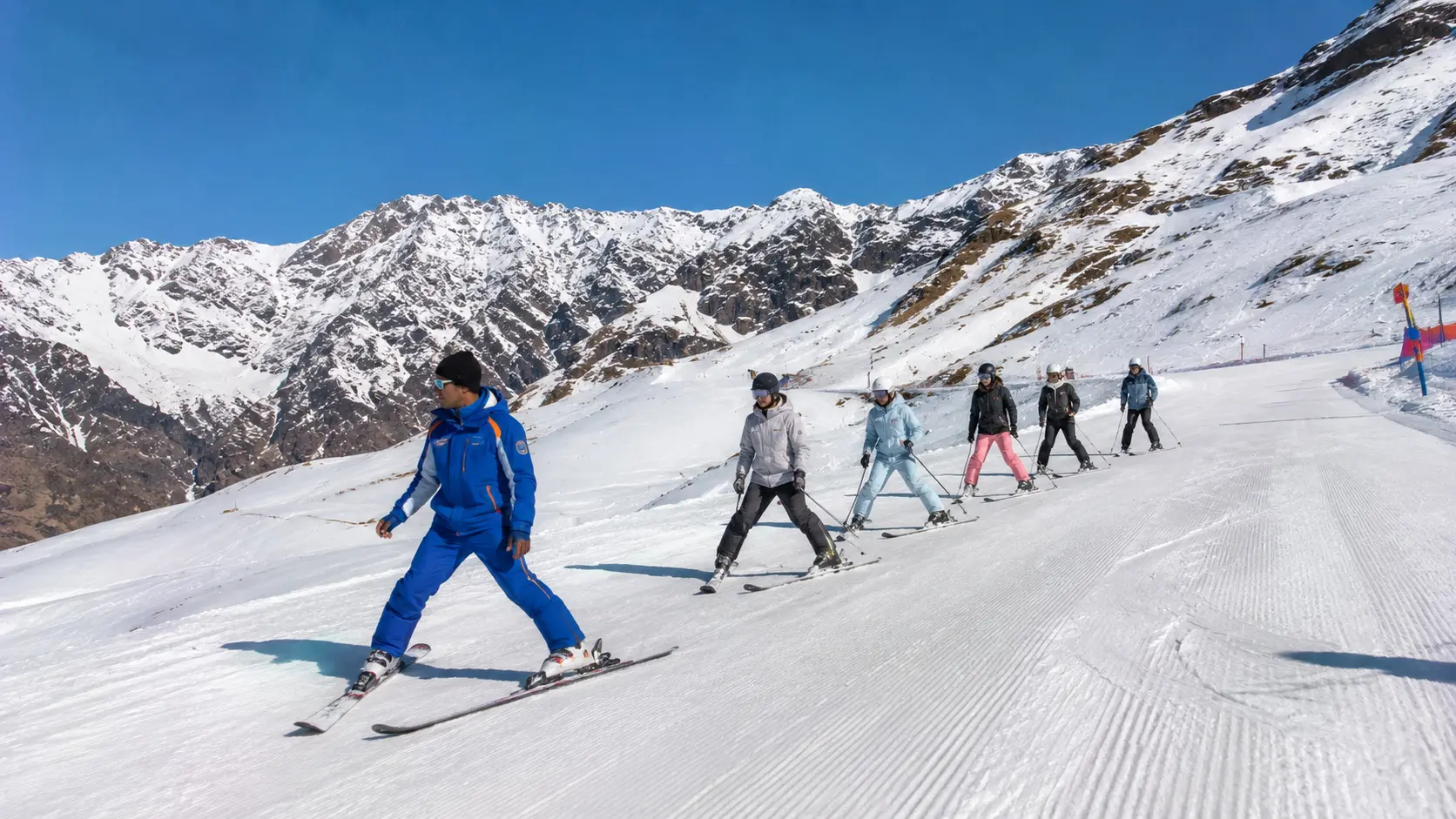
Enrolling in a certified ski course is the most efficient way to learn winter sports in India. Specifically, professional academies offer structured training programs that cover everything from basic snowploughs to parallel carving turns.
Specifically, professional academies offer structured training programs that cover everything from basic snowploughs to parallel carving turns. Consequently, first-time skiers can avoid common alignment mistakes and master the slopes safely. In addition, learning in a structured course environment helps build early muscle memory.
The Stance Rule
Never attempt to learn advanced parallel turns without a certified ski instructor. For instance, booking a structured course ensures you learn correct posture habits right from day one.
Certified Ski Courses
Explore certified training programs and choose your entry level.
Ski Course Cost Matrix
Compare registration costs and inclusions across different ski courses in India.
| Ski Academy / Course | Standard Duration | Estimated Cost | Core Inclusions |
|---|---|---|---|
| IISM Gulmarg Basic Course | 14 Days | ₹15,000 – ₹25,000 | Lodging, Meals & Gear |
| Private Gulmarg Ski Course | 7 Days | ₹25,000 – ₹35,000 | 1-on-1 Coach & Lodging |
| Auli GMVN Basic Course | 7 Days | ₹12,000 – ₹18,000 | Lodging & Basic Gear |
Transit & Logistics to Course Hubs
Select a route layout to review travel times, routes, and safety details.
Route Advisory Metrics
Ski Course Guidelines
Important checklists to review before booking your structured ski lessons.
Check if your ski course package fee includes Gondola or Chairlift passes. Paying separately for lifts can add significantly to your daily expenses.
Always train with coaches certified by IISMO or equivalent national winter sports bodies to ensure correct stance teaching.
Winter winds blow constantly across Auli and Gulmarg. Wearing thermal layers and UV goggles prevents windburn and glare strain.
Secure your training packages early via the winter ski course in Gulmarg by Olixora Travels.
Frequently Asked Questions
Clear answers to common questions about ski courses in India.
Which is the best place to learn skiing in India?
For structured, budget-friendly learning, IISM Gulmarg and ABVIMAS Manali are the top choices. Alternatively, absolute beginners looking for easy accessibility should choose Auli’s wide, gentle slopes managed by GMVN. Consequently, your choice depends on whether you prefer certification paths or flexible leisure learning.
How do I book a ski course at IISM Gulmarg?
Booking is managed online via the official IISM Gulmarg website. Registration slots open on a first-come, first-served basis once the winter schedule is sanctioned. Because seats fill up within hours of opening, you must monitor their portal regularly between October and December.
What is the cost of a basic ski course in India?
Subsidized government courses at IISM or ABVIMAS cost between ₹10,000 and ₹20,000, which includes training and gear. By contrast, private 7-day ski packages range from ₹25,000 to ₹35,000 depending on instructor ratios. Therefore, booking government courses offers significant budget savings.
How long does a basic ski course take to complete?
Most certified basic ski courses require 7 to 14 days of structured training. A 7-day course is sufficient to master basic snowplough stops and simple steering. Alternatively, a 14-day government syllabus provides the full certification needed to transition to intermediate slopes.
Can I skip to advanced ski training directly?
No, government training institutes strictly require proof of basic certification to enroll in intermediate or advanced courses. Private schools may assess your skills on-slope before teaching advanced parallel carving. Therefore, beginners must start at the basic tier.
What equipment should I carry for a ski course?
While ski academies provide heavy hardware like skis, boots, and poles, they do not provide personal clothing. You must bring waterproof ski pants, insulated gloves, thermal base layers, and UV-protection goggles. Doing so prevents cold exposure and maintains high hygiene standards.
Course Timeline
A breakdown of what to expect during a standard week-long ski course.
Balance & Stance (Day 1-2)
Practice sliding postures, balance distribution, and snowplough stops on flat nursery slopes under instructor guidance.
Stance Transitions (Day 3-5)
Transition to gentle blue runs using basic snowplough turns. Learn edge control and sliding speed management.
Slope Parallel Turns (Day 6-7)
Master basic parallel turns and navigate steeper intermediate slopes, laying early habits for advanced riding.
Final Thoughts
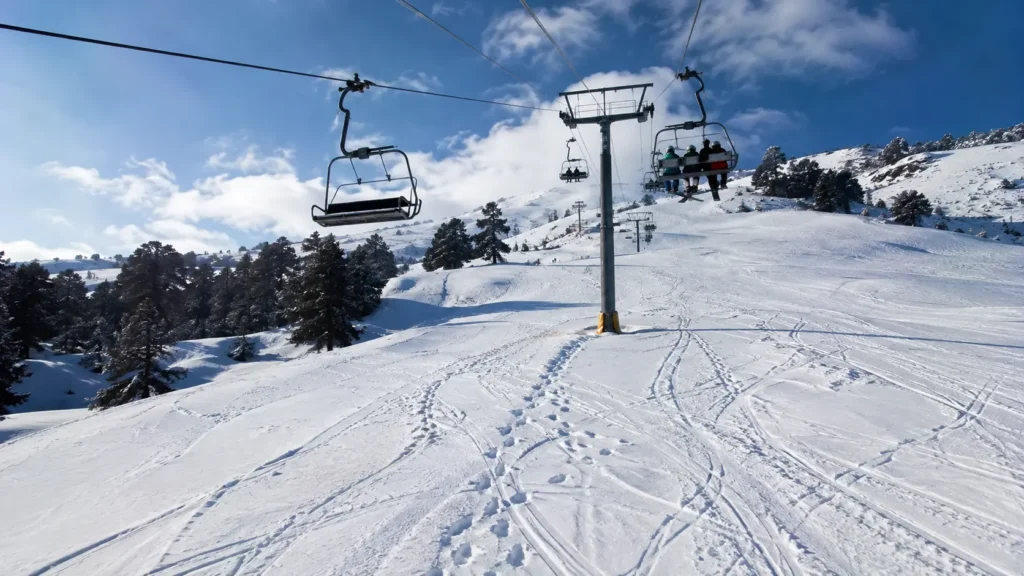
Ultimately, booking a certified ski course is the best way to master correct stance habits and stay safe. The combination of gentle nursery slopes, professional academies, and calm weather conditions ensures a safe learning experience.
Therefore, select your academy based on your budget and skill level. Consequently, by preparing properly, you will enjoy a safe and unforgettable Himalayan adventure.
Ready to Book Your Ski Adventure?
For travellers looking for a guided beginner experience, the Beginner Ski Course in Gulmarg by Olixora is a perfect fit. The programme is designed specifically for first-time skiers and includes professional instruction, accommodation, equipment rentals, and on-slope support throughout your learning journey.
Explore the Beginner Ski Course in Gulmarg