
The Moment of Truth
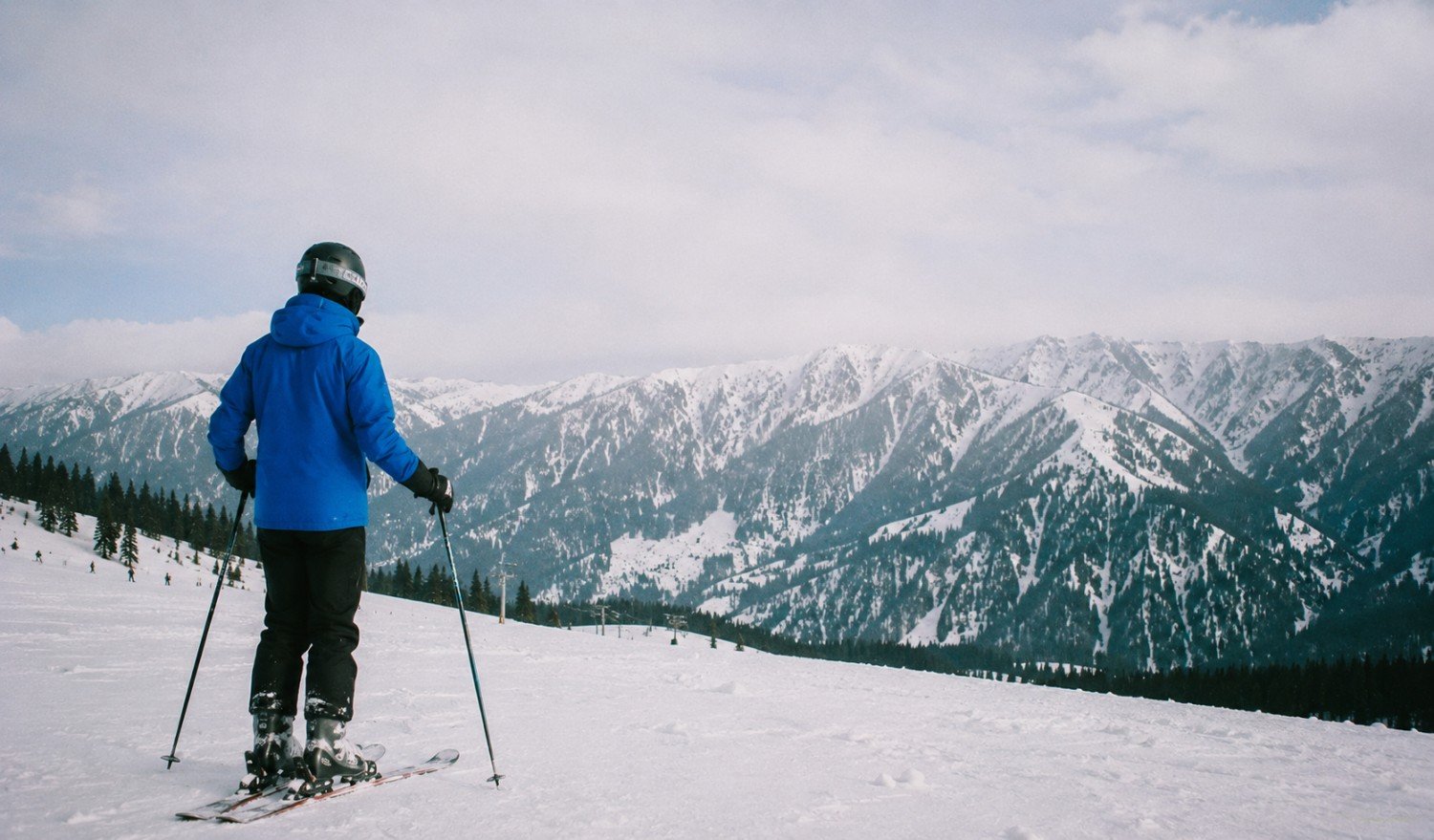
There is a very specific moment during your first Winter Ski Course when panic sets in. You’re standing at the top of a gentle, snow-covered incline in Gulmarg. The Himalayas are silent around you, wrapped in an impossibly beautiful blanket of white. Yet, your attention isn’t on the scenery. Instead, your eyes are fixed on your feet, locked inside rigid plastic ski boots and strapped to two long fiberglass skis. Your heart hammers against your ribs while your mind flashes a single warning: “How on earth am I supposed to stop?” Most of us have seen the viral videos of skiers carving effortlessly through deep powder, making the sport look graceful and almost effortless. However, every confident skier starts the same way—with awkward first steps, uncertain balance, and a healthy fear of falling.
At first, you’ll probably waddle like a penguin. Soon enough, you’ll discover that it’s entirely possible to fall over without even moving. For a moment, you may even question why you traded the comfort of your city for a freezing mountain in Kashmir. Then, something changes. Usually, around the third day, the movements begin to feel natural. You lean gently into a turn, your skis respond exactly as they should, and suddenly, the panic gives way to confidence. That’s exactly why a structured six-day Winter Ski Course exists. Rather than expecting beginners to figure things out on their own, it introduces one skill at a time, gradually turning uncertainty into control and nervous first slides into confident descents.
Why Gulmarg Is the Best Place in India to Learn Skiing
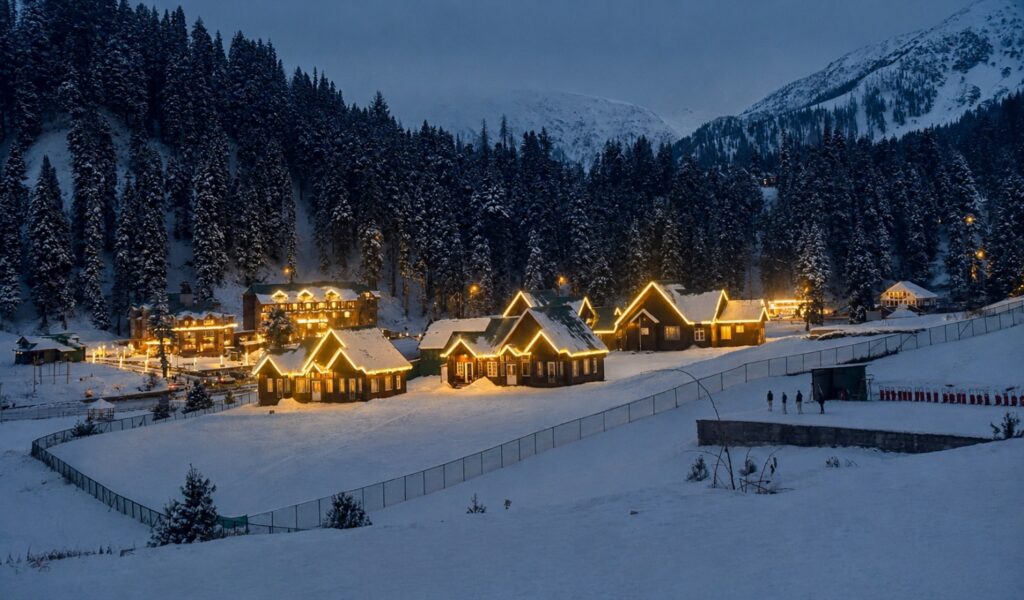
India has several winter destinations, but very few are built around skiing. That’s where Gulmarg stands apart. Every winter, this quiet hill town transforms into one of Asia’s most respected ski destinations. Thanks to its consistent snowfall, open beginner slopes, and the famous Gulmarg Gondola, it offers ideal conditions for both first-time learners and experienced skiers. Unlike many snow destinations where visitors simply enjoy the scenery for a few hours, Gulmarg provides the infrastructure needed to learn skiing properly.
For Indian travellers, the advantages are practical as well. Firstly, there’s no need for an international visa or expensive overseas flights. In addition, you won’t have to worry about transporting your own ski equipment, as most organised ski programmes include equipment rental, professional instruction, and accommodation. As a result, the entire experience becomes far more accessible for beginners.
Perhaps more importantly, the biggest advantage is psychological. Learning a completely new sport already feels challenging. However, doing it in a familiar country—surrounded by familiar food, language, and culture—removes many of the distractions that often come with travelling abroad. Consequently, you can focus entirely on learning, building confidence, and enjoying the experience on the slopes.
Gulmarg vs International Ski Destinations
| Feature | Gulmarg | Europe / Japan |
|---|---|---|
| Visa Required | No | Yes |
| Flight Cost | Lower | High |
| Snow Quality | Excellent | Excellent |
| Beginner-Friendly | Yes | Yes |
| Equipment Rental | Widely Available | Widely Available |
| Overall Cost | More Affordable | Significantly Higher |
For someone booking their first Winter Ski Course, Gulmarg offers one of the best learning experiences relative to its cost.
Is a Winter Ski Course Right for You?
One of the biggest misconceptions about skiing is that it’s only for athletes. It isn’t. Most beginners are ordinary people looking for an experience that’s completely different from their everyday routine. They may be working professionals, college graduates, couples, solo travellers, or groups of friends who’ve never touched snow before.
A beginner Winter Ski Course is ideal if you:
- Have never skied before.
- Want to experience snow beyond sightseeing.
- Enjoy outdoor adventures.
- Are reasonably healthy and active.
- Prefer learning with professional guidance.
You don’t need expensive equipment, previous mountain experience, or exceptional fitness. The course is designed to teach everything from the ground up.
What to Expect Before the Course Begins
Your skiing journey starts a day before the first lesson. After landing in Srinagar, you’ll travel to Gulmarg, where most organised programmes begin with accommodation check-in, equipment fitting, and an introductory briefing. This is also when you’ll meet your instructors, understand the week’s schedule, and get familiar with your ski equipment.
Don’t expect to start skiing immediately. The first evening is intentionally relaxed. It gives your body time to adjust to the altitude and allows instructors to prepare everyone before practical training begins. By the following morning, you’ll be ready to step onto the snow.
What Happens During a 6-Day Winter Ski Course?
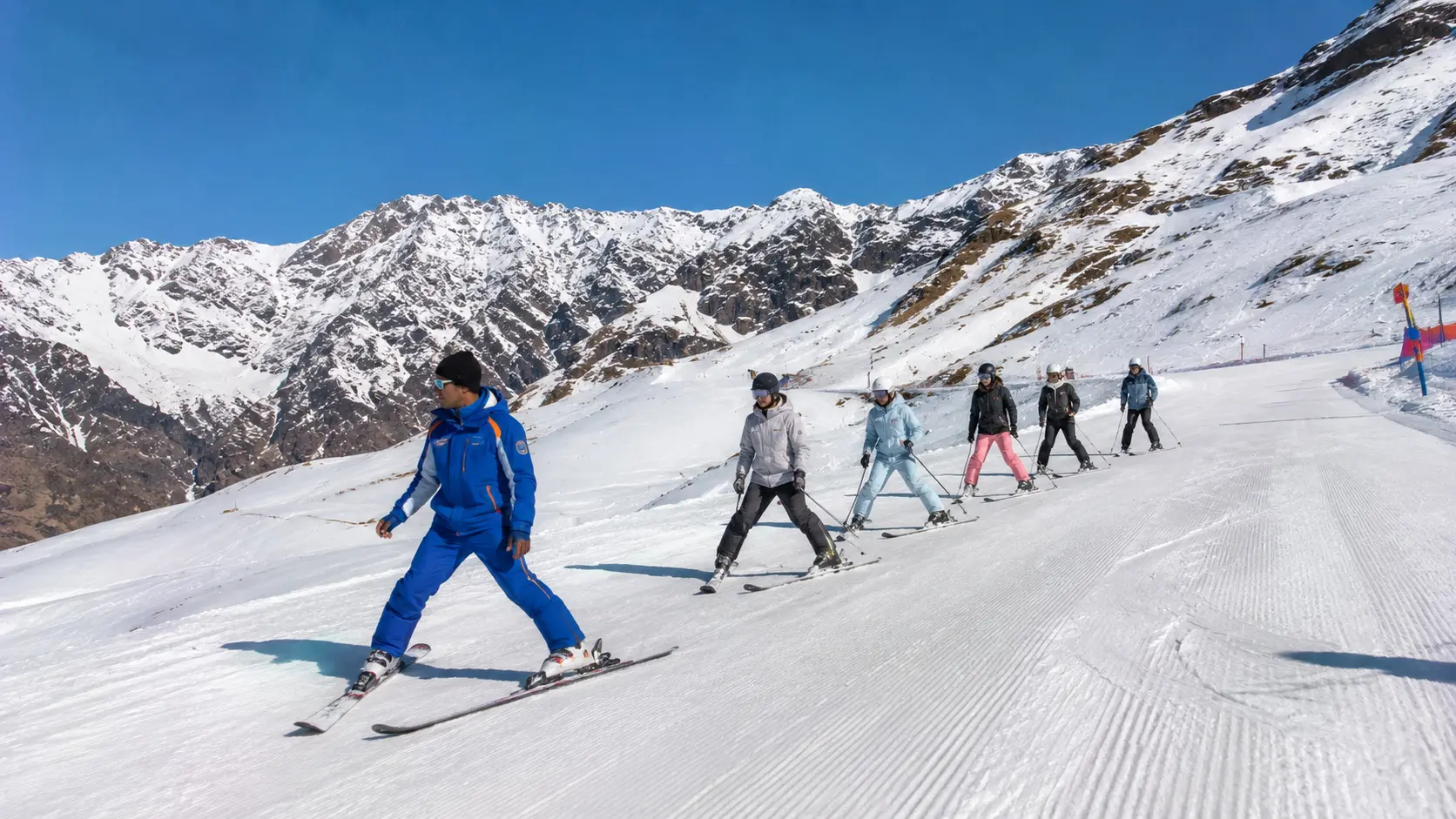
Every ski school has its own teaching style, but most beginner programmes follow a similar progression. Rather than focusing on speed, the emphasis is placed on developing balance, control, and confidence before moving onto steeper terrain.
DAY 1 – LEARNING THE BASICS
The first day focuses entirely on building confidence. You’ll learn how ski boots, bindings, and skis work before practising basic balance, stance, and movement on flat snow. These exercises may seem simple, but they’re essential for developing proper posture and control.
What you’ll learn
- Using ski equipment safely
- Basic stance and balance
- Walking and gliding on flat terrain
- Introduction to mountain safety
What to expect: By the end of the day, most beginners are comfortable standing on skis and moving short distances without assistance.
DAY 2 – CONTROLLING YOUR SPEED
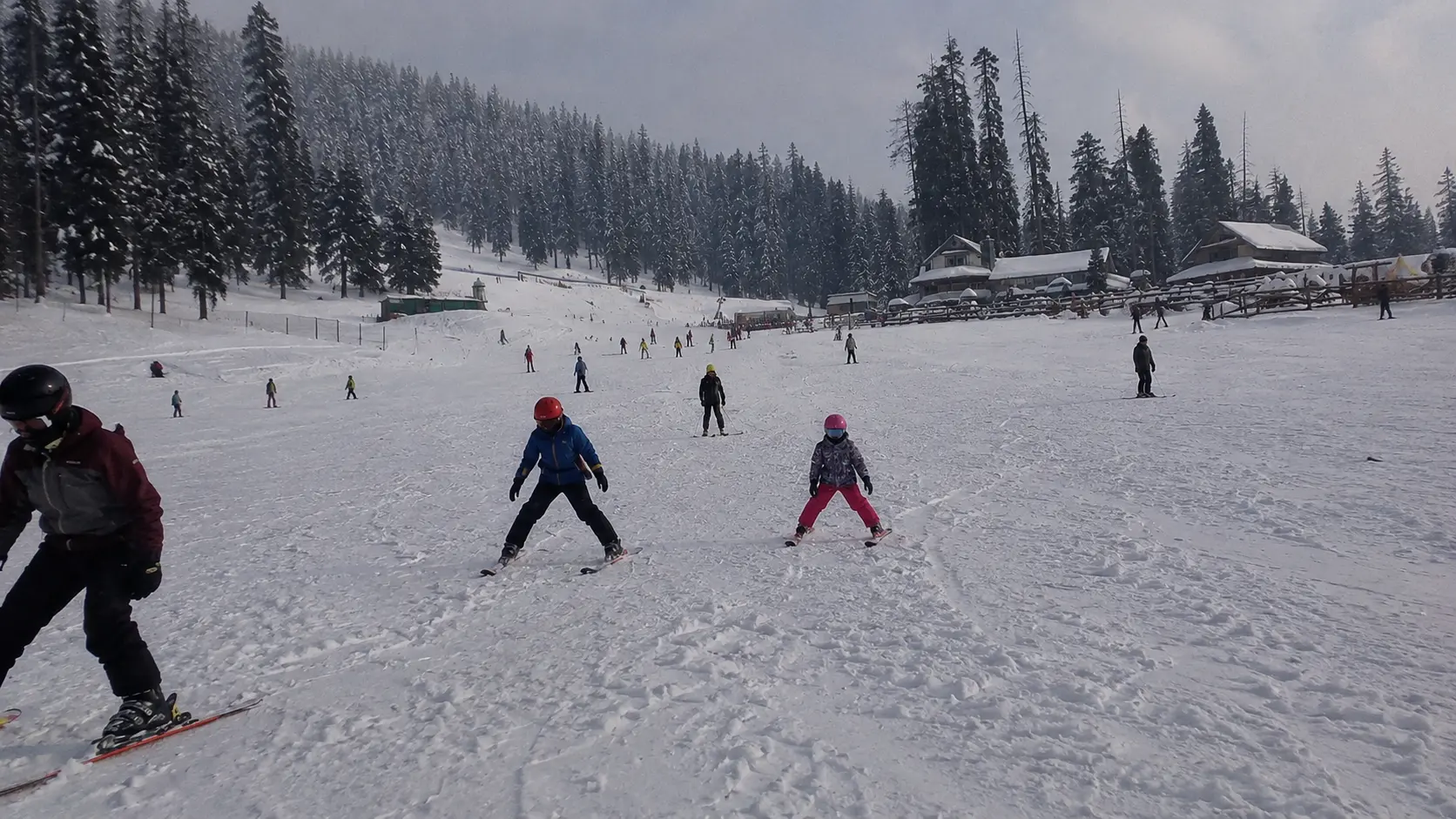
Once you’re comfortable moving on skis, the next step is learning how to stop. The snowplough technique becomes the foundation of your skiing. It allows you to control your speed safely and gives you the confidence to practise on gentle slopes without feeling out of control.
What you’ll learn
- Snowplough braking
- Speed control
- Controlled descents
- Basic confidence on beginner slopes
What to expect: This is often the day when skiing starts feeling enjoyable instead of intimidating.
DAY 3 – LEARNING TO TURN
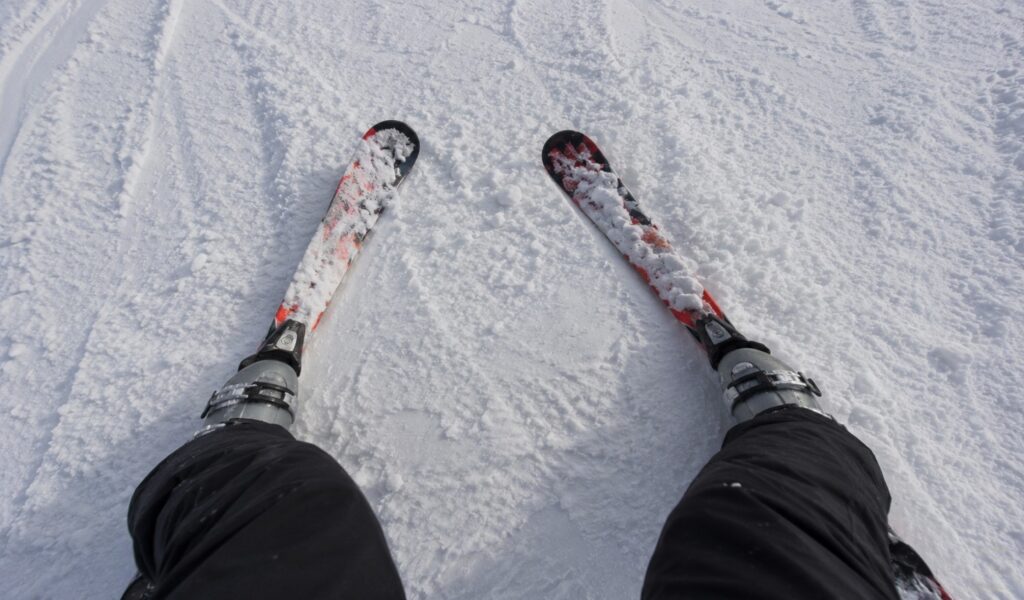
Stopping gives you confidence. Turning gives you freedom. The third day introduces weight transfer and basic turning techniques. You’ll begin linking simple movements together, allowing you to navigate around obstacles and maintain better control while skiing.
What you’ll learn
- Basic turning
- Weight transfer
- Traversing across slopes
- Better body positioning
What to expect: Instead of simply skiing downhill, you’ll begin deciding exactly where you want to go.
DAY 4 – PUTTING EVERYTHING TOGETHER
By now, the equipment feels familiar, and your confidence has grown considerably. The fourth day focuses on combining everything you’ve learnt so far. Instead of stopping after every turn, you’ll practise smoother, continuous runs while improving rhythm and consistency.
What you’ll learn
- Linking turns
- Smoother descents
- Improved posture
- Better balance
What to expect: This is usually the point where beginners start to feel like skiers rather than students.
DAY 5 – REFINING YOUR TECHNIQUE
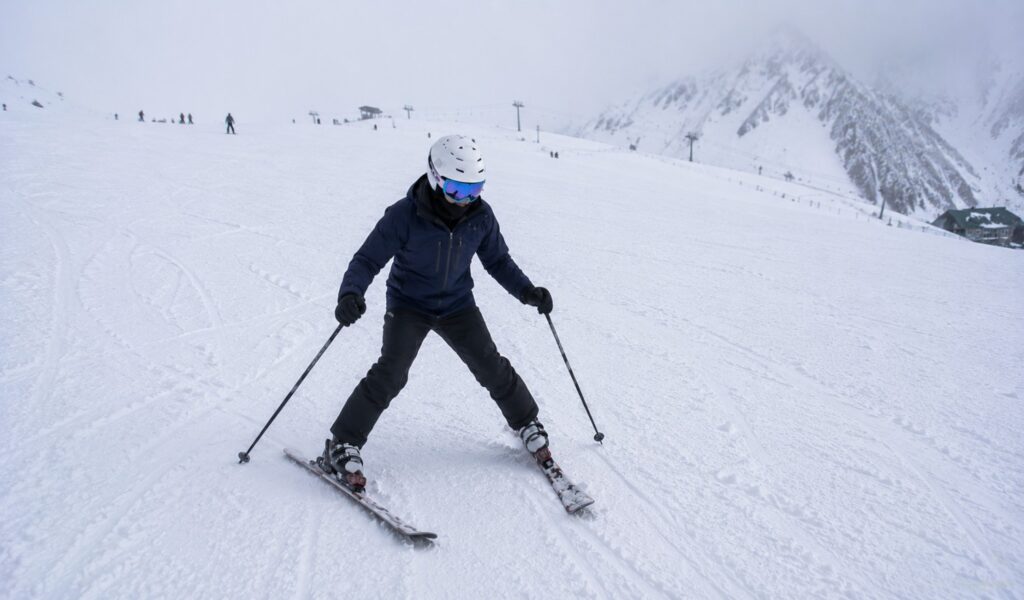
With the fundamentals in place, instructors begin refining your technique. Small improvements in posture, edge control, and ski positioning make skiing more efficient while reducing fatigue. By this stage, you’ll spend less time thinking about individual movements and more time enjoying the experience itself.
DAY 6 – YOUR GRADUATION RUN
The final day isn’t about learning something completely new. It’s about bringing everything together. You’ll complete longer beginner runs, receive feedback from your instructor, and finish the course with a much clearer understanding of your strengths and the skills you can continue developing after the programme ends.
For many participants, the final run becomes the highlight of the entire week—not because it’s the fastest, but because it reminds them how far they’ve come in just six days.
At a Glance: Your Learning Journey
| Day | Primary Focus | Outcome |
|---|---|---|
| Day 1 | Equipment & Balance | Confidence on skis |
| Day 2 | Speed Control | Safe stopping |
| Day 3 | Turning | Directional control |
| Day 4 | Linking Skills | Continuous skiing |
| Day 5 | Technique | Greater efficiency |
| Day 6 | Final Run | Independent beginner skiing |
What to Pack for a Winter Ski Course
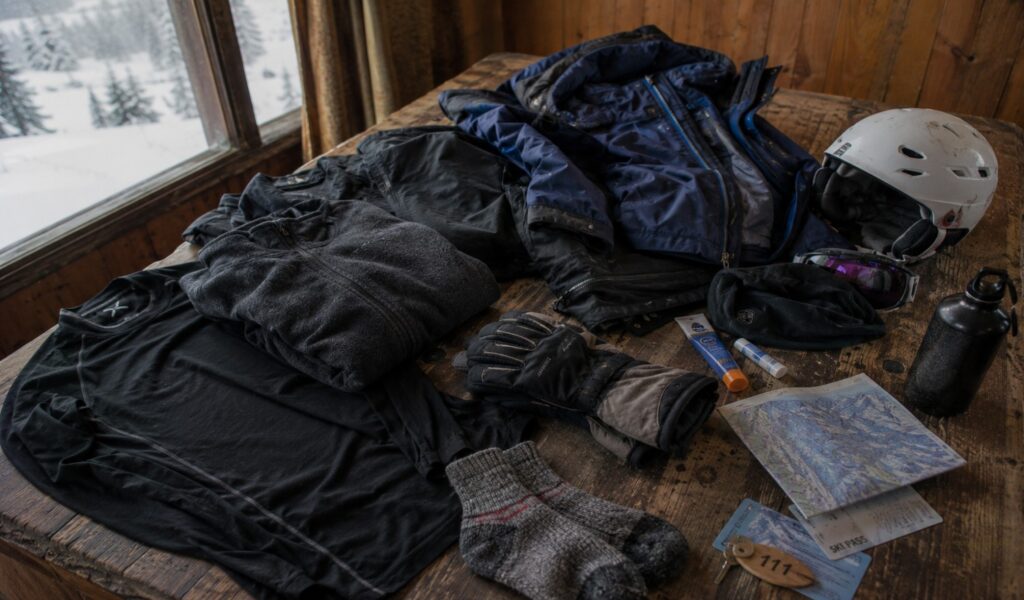
Packing smartly will have a much bigger impact on your comfort than packing heavily. A common mistake among first-time travellers is wearing multiple thick layers, only to feel uncomfortable once they start skiing. Since skiing is an active sport, your body generates plenty of heat, making a proper layering system far more effective than bulky clothing.
Essential Packing Checklist
| Item | Why It’s Important |
|---|---|
| Thermal base layers | Keeps you warm while wicking away moisture. |
| Waterproof ski jacket | Protects against snow, wind, and changing weather. |
| Waterproof ski trousers | Keeps you dry during lessons and falls. |
| Wool or ski socks | Prevents cold feet and improves boot comfort. |
| Waterproof gloves | Essential for warmth and grip. |
| UV-protected goggles or sunglasses | Snow reflects sunlight intensely, even on cloudy days. |
| Sunscreen & lip balm | High-altitude sun and cold winds can quickly dry your skin. |
| Personal medications | Carry any prescription medicines you may require. |
Packing Tip: If you’re joining an organised Winter Ski Course, ski equipment such as skis, boots, poles, and helmets is often included. Always confirm what’s provided before purchasing or carrying your own gear.
How Much Does a Winter Ski Course Cost?
One of the biggest questions beginners have is whether skiing is an expensive sport. The answer depends on how you plan your trip. If you organise everything independently, you’ll need to book accommodation, equipment rentals, lift access, coaching, and local transport separately. An organised beginner programme often combines these into a single package, making budgeting simpler and, in many cases, more economical.
Estimated Budget for Indian Travellers
| Expense | Estimated Cost (INR) |
|---|---|
| Return Flights to Srinagar | ₹8,000 – ₹18,000 |
| Airport Transfers | ₹2,000 – ₹5,000 |
| Accommodation | Varies by hotel category |
| Ski Coaching | Usually included in organised courses |
| Equipment Rental | Often included |
| Meals | May be partially or fully included |
| Personal Expenses | ₹2,000 – ₹5,000 |
When comparing different programmes, don’t focus only on the headline price. Instead, check what’s included. A course that includes accommodation, coaching, equipment, lift access, and transfers often offers much better overall value than a cheaper package with multiple additional costs.
Common Beginner Mistakes to Avoid
Every first-time skier makes mistakes—that’s simply part of the learning process. However, avoiding a few common ones can make your first Winter Ski Course far more enjoyable and help you progress with greater confidence.
Wearing Too Many Clothes
Many beginners assume that more layers automatically mean more warmth. In reality, a proper three-layer clothing system is warmer, lighter, and significantly more comfortable than wearing several bulky sweaters. As a result, you’ll stay warm without restricting your movement on the slopes.
Comparing Yourself to Others
It’s easy to compare yourself with other learners, especially during the first few days. However, everyone progresses at a different pace. Instead, focus on improving your own technique and celebrating small improvements each day.
Looking Down at Your Skis
Most beginners naturally look down at their skis while moving. However, good balance comes from looking ahead rather than at your feet. By keeping your eyes focused in the direction you want to travel, you’ll improve both your posture and overall control.
Skipping Hydration
Cold weather often masks the feeling of thirst. Even so, skiing is a physically demanding activity that requires regular hydration. Therefore, drinking enough water throughout the day will help maintain your energy levels and reduce fatigue.
Buying Expensive Equipment Too Early
Many first-time skiers feel tempted to invest in their own equipment straight away. However, your first ski trip isn’t the best time to make that decision. Instead, learn the basics using rental equipment. Once you’ve completed the course, you’ll have a much better understanding of the gear that suits your skiing style and future goals.
Is a Winter Ski Course Safe?
Skiing naturally involves some risk, but beginner programs are specifically designed to minimize it. Training starts on gentle, groomed nursery slopes far away from advanced riders. Lessons progress gradually, allowing participants to master one skill before moving on to the next. You will also learn the FIS Rules of Conduct, the internationally recognized standards for mountain safety. Learning these rules early not only helps you understand your responsibilities on the hill but also makes the environment far less intimidating.
Like any adventure activity, the safest approach is to follow your instructor’s guidance, use properly fitted equipment, and avoid attempting slopes beyond your current ability.
Is a Winter Ski Course Worth It?
A ski course isn’t just another holiday—it’s an opportunity to learn a lifelong skill. Unlike sightseeing trips, where the memories often revolve around places you’ve visited, skiing gives you something you can continue building on long after you’ve returned home. In fact, many people who complete their first course go on to plan future winter trips, explore new ski destinations, and make skiing a regular part of their travel plans.
Beyond that, spending a week in Gulmarg offers a completely different perspective on Kashmir in winter. Instead of simply admiring the mountains from a viewpoint, you’ll experience them as an active participant, learning new skills while spending your days on snow-covered slopes. More importantly, the sense of achievement often becomes the most memorable part of the journey. By the end of the course, you’ll have gained not only a new outdoor skill but also the confidence to continue skiing on future winter holidays.
So, if you’ve always wanted to step outside your comfort zone, a Winter Ski Course is one of the most rewarding adventures you can experience in India.
Frequently Asked Questions
Can a complete beginner learn skiing in six days?
Yes. A structured Winter Ski Course is specifically designed for complete beginners with no previous skiing experience. Over six days, you’ll gradually learn essential skills such as balance, stopping, turning, and linking turns under professional guidance. While you won’t become an expert in a week, you’ll develop the confidence and technique needed to ski beginner slopes safely and continue improving on future trips.
What is the best time to join a Winter Ski Course in Gulmarg?
The best time to join a Winter Ski Course in Gulmarg is between late December and early March, when the region receives consistent snowfall. January and February are generally considered the peak months, offering the best snow conditions for beginner lessons and recreational skiing. However, the weather in the Himalayas can vary, so it’s always worth checking current snow conditions before travelling.
How much does a Winter Ski Course cost?
The total cost depends on the duration of the programme and what’s included. Most beginner courses combine ski coaching, equipment rental, accommodation, and local transfers into a single package. In addition to the course fee, travellers should also budget for flights to Srinagar, personal expenses, and any optional activities during their stay.
Is skiing in Gulmarg safe for beginners?
Yes. Beginner ski courses are conducted on gentle nursery slopes under the supervision of experienced instructors. Lessons are structured to progress gradually, allowing participants to build confidence before attempting more challenging terrain. As with any adventure sport, following your instructor’s guidance and using properly fitted equipment are the best ways to minimise risk.
Do I need to buy my own ski equipment?
No. Most organised Winter Ski Courses provide essential equipment such as skis, boots, poles, and helmets as part of the programme. Renting equipment is recommended for first-time skiers, as it allows you to learn without making a significant investment before deciding whether you want to continue the sport.
What should I wear during a Winter Ski Course?
The key to staying comfortable is dressing in layers. A thermal base layer, fleece mid-layer, and waterproof outer jacket help regulate body temperature while keeping you dry. Waterproof ski trousers, insulated gloves, wool socks, and UV-protected goggles are also essential. Since skiing is physically active, avoid wearing too many bulky layers, as they can restrict movement.
Can I join the course as a solo traveller?
Absolutely. Many people join a Winter Ski Course on their own, making it a great way to meet fellow travellers with similar interests. Since lessons are usually conducted in small groups, participants naturally interact throughout the course, creating a friendly and supportive learning environment.
Is a Winter Ski Course physically demanding?
Skiing is moderately physical, but it relies more on balance, coordination, and technique than strength. Beginners often experience mild muscle soreness during the first couple of days, especially in the legs, as their bodies adapt to unfamiliar movements. However, the lessons are designed to progress gradually, making the experience manageable for most reasonably active individuals.
Will I use the Gulmarg Gondola during the course?
That depends on the structure of your course and your progress as a beginner. Most lessons begin on gentle nursery slopes before introducing more advanced terrain. Some programmes may include riding the Gulmarg Gondola later in the course, while others focus entirely on beginner training areas. It’s best to check the itinerary of your chosen programme to understand what is included.
How do I choose the right Winter Ski Course?
When comparing different options, look beyond the headline price. A good Winter Ski Course should include qualified instructors, well-maintained equipment, a clear day-wise training plan, transparent pricing, and suitable accommodation. Reading recent traveller reviews and understanding exactly what’s included in the package will help you choose a course that matches both your expectations and your budget.
Final Thoughts
Learning to ski is one of those experiences that stays with you long after the holiday ends. It’s not because you’ll become an expert in six days, but because you’ll discover that a sport which once looked intimidating is surprisingly achievable with the right guidance. Every beginner starts with the same uncertainty, and every confident skier was once standing exactly where you are now.
Gulmarg offers one of the best places in India to begin that journey. Its reliable snowfall, welcoming learning environment, and experienced instructors make it an ideal destination for first-time skiers who want more than just a winter holiday. If you’re planning your first Winter Ski Course, go with realistic expectations, a willingness to learn, and an open mind. The mountain will take care of the rest.
Ready to make this winter your first on the slopes?
Don’t leave your mountain adventure to chance. Join the TravInfo community to get our exclusive beginner ski guides, altitude fitness routines, and early access to the best winter departure dates delivered straight to your inbox.
One thought on “What to Expect During a 6-Day Winter Ski Course in Gulmarg: A Complete Beginner’s Guide”